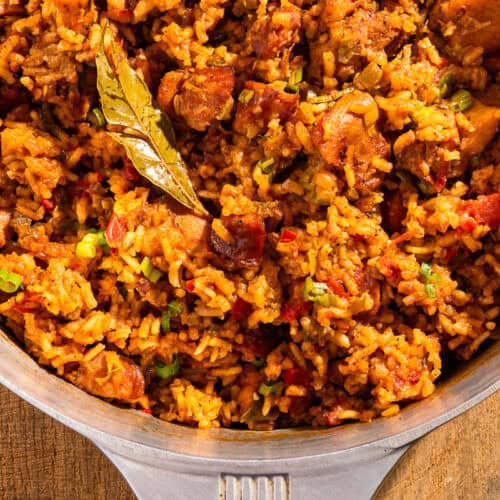
Louisiana Chicken and Sausage Jambalaya
Chicken and Sausage Jambalaya is one of South Louisiana’s most beloved one-pot meals. This version blends both Cajun and Creole traditions with smoky sausage, tender chicken, and seasoned rice. It’s an authentic recipe straight from a Louisiana native’s kitchen.

If you love Louisiana staples like Chicken and Sausage Gumbo, Dirty Rice, or Red Beans and Rice, you’ll be right at home with this authentic jambalaya recipe. Each one starts with the holy trinity and layers in smoky, slow-cooked flavors that make Southern Louisiana cooking so special.
Why You Should Trust This Recipe
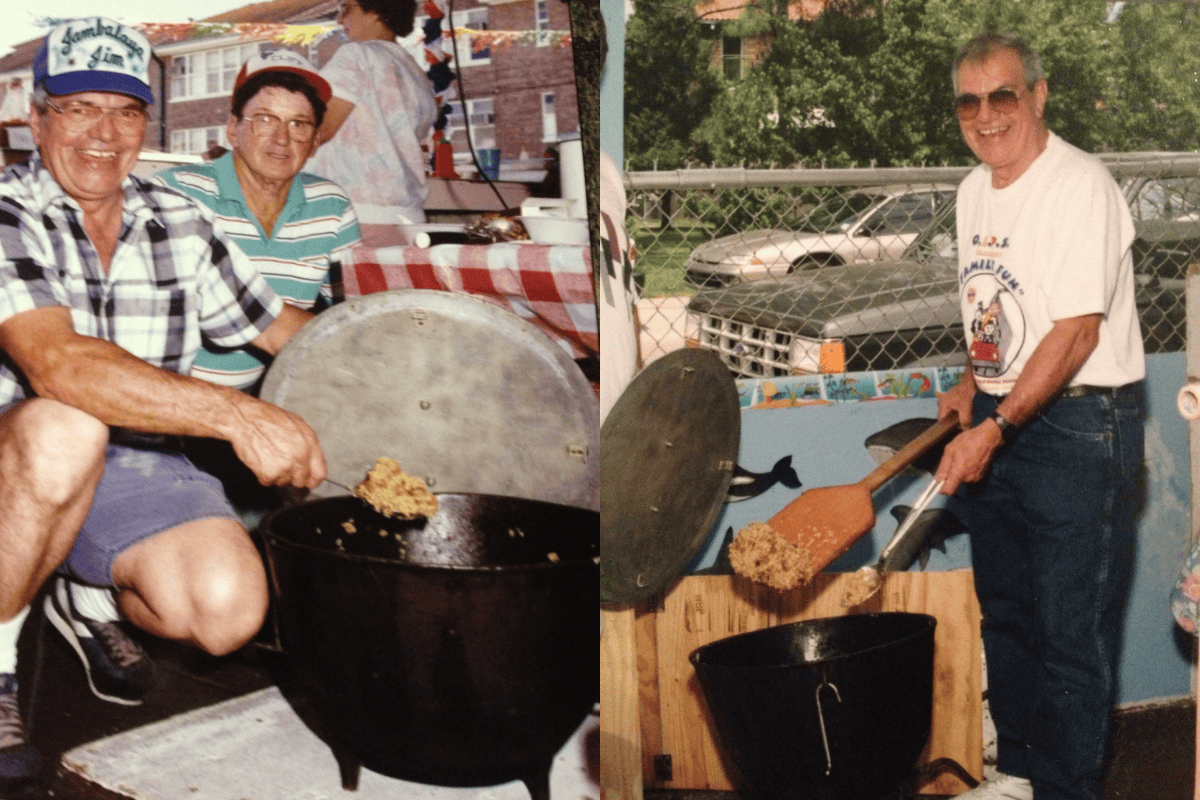
Growing up in Louisiana, jambalaya is more than just a recipe, it’s a cultural moment shared with family and friends. Drop in at any birthday party, school fair, or town fundraiser, and you’ll find someone making a huge batch of jambalaya for the crowd. In my little hometown, that guy was my grandpa, dubbed “Jambalaya Jim”. He was locally famous for his jambalaya that showed up at all our family functions and holidays. He would start at the crack of dawn, stirring his huge cauldron-like pot with a boat paddle, and of course with a beer in his hand. This version is adapted from his large batch recipe with my own spin.
Cajun vs Creole Jambalaya
Jambalaya comes in two main styles: Cajun and Creole. You’ll also hear them called brown jambalaya and red jambalaya.
- Cajun jambalaya (brown jambalaya): The rich brown color comes from searing the meats and slowly caramelizing the “holy trinity” of onion, bell pepper, and celery until rich and dark. This rustic country style usually features land proteins like chicken, pork, and sausage. You won’t find tomatoes here, Cajun purists feel strongly about keeping them out.
- Creole jambalaya (red jambalaya): Made with tomatoes which give the rice its reddish tint and a brighter tangy flavor. This style is more common in New Orleans and reflects the city’s Creole influence. Creole jambalaya will often include seafood in addition to chicken and sausage.
Both styles are authentic jambalaya in their own right. This recipe blends elements of both so you get the best of each tradition.

Lauren’s Tips
- Choose the right pot. Use a sturdy, oven-safe pot with a tight-fitting lid. A heavy cast iron Dutch oven gives you steady heat and tender rice in about an hour. Lighter pots like Magnalite may need more time and extra stock. Always check the rice before serving.
- Brown the meat. The browned bits (fond) left behind when you sear the sausage and chicken get absorbed back into the jambalaya, adding layers of smoky, savory flavor.
- Caramelize the trinity. Don’t rush this step. Let the onion, bell peppers, and celery cook down low and slow until golden brown. This is where that authentic deep flavor comes from.
- No peeking! Keep the lid closed to trap steam and cook the rice evenly. Don’t open the lid until an hour has passed. After an hour, check to see if the rice is mostly done, then cover again and steam off heat for 10–15 minutes. This ensures the rice is tender and fluffy.
Ingredients & Substitutions
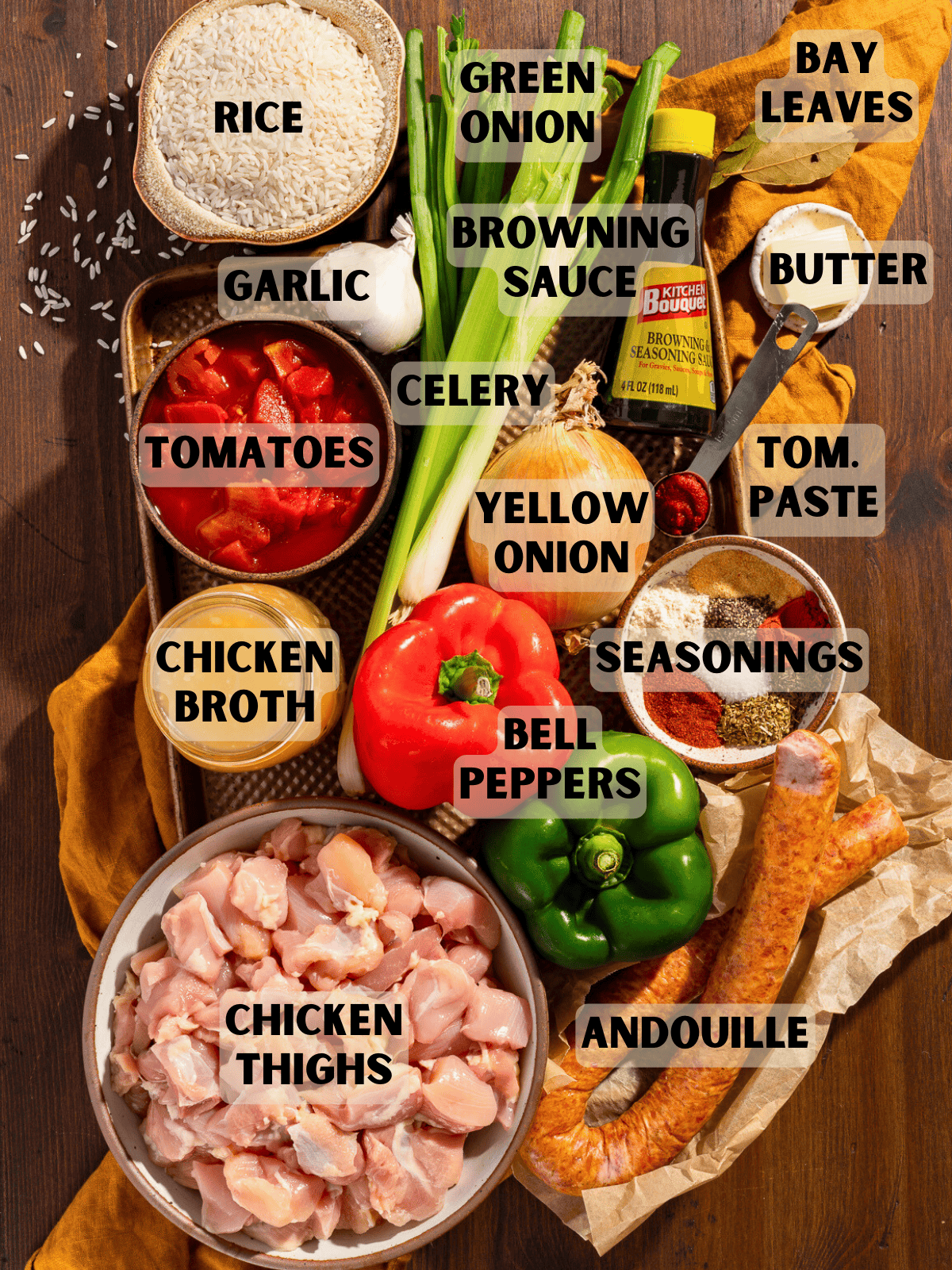
- Andouille sausage – Traditional Cajun smoked sausage that’s smoky and spicy. Substitute for smoked sausage.
- Chicken thighs – Dark meat holds up better during the long cook time, staying juicy and flavorful. You can use chicken breasts, but they’ll be drier.
- Onion, bell pepper, and celery – The Cajun “holy trinity” is the backbone of so many Cajun and Creole dishes. I add a red bell pepper in addition to green because I like the flavor, but you can do all green.
- Rice – Some recipes will use parboiled rice, but this recipe is written specifically for long grain white rice.
- Chicken stock – Use homemade or a good quality store-bought chicken stock for the best flavor.
- Spices – Adjust the cayenne pepper if you prefer less heat. As written, it will be mildly spicy. Use Cajun seasoning or Creole seasoning if you want an extra kick.
- Kitchen Bouquet – This is a browning sauce that enhances the flavor and color of the jambalaya.
See the recipe card below for the complete list of ingredients and measurements.
How to Make Chicken and Sausage Jambalaya
Step by step instructions for making one pot jambalaya.
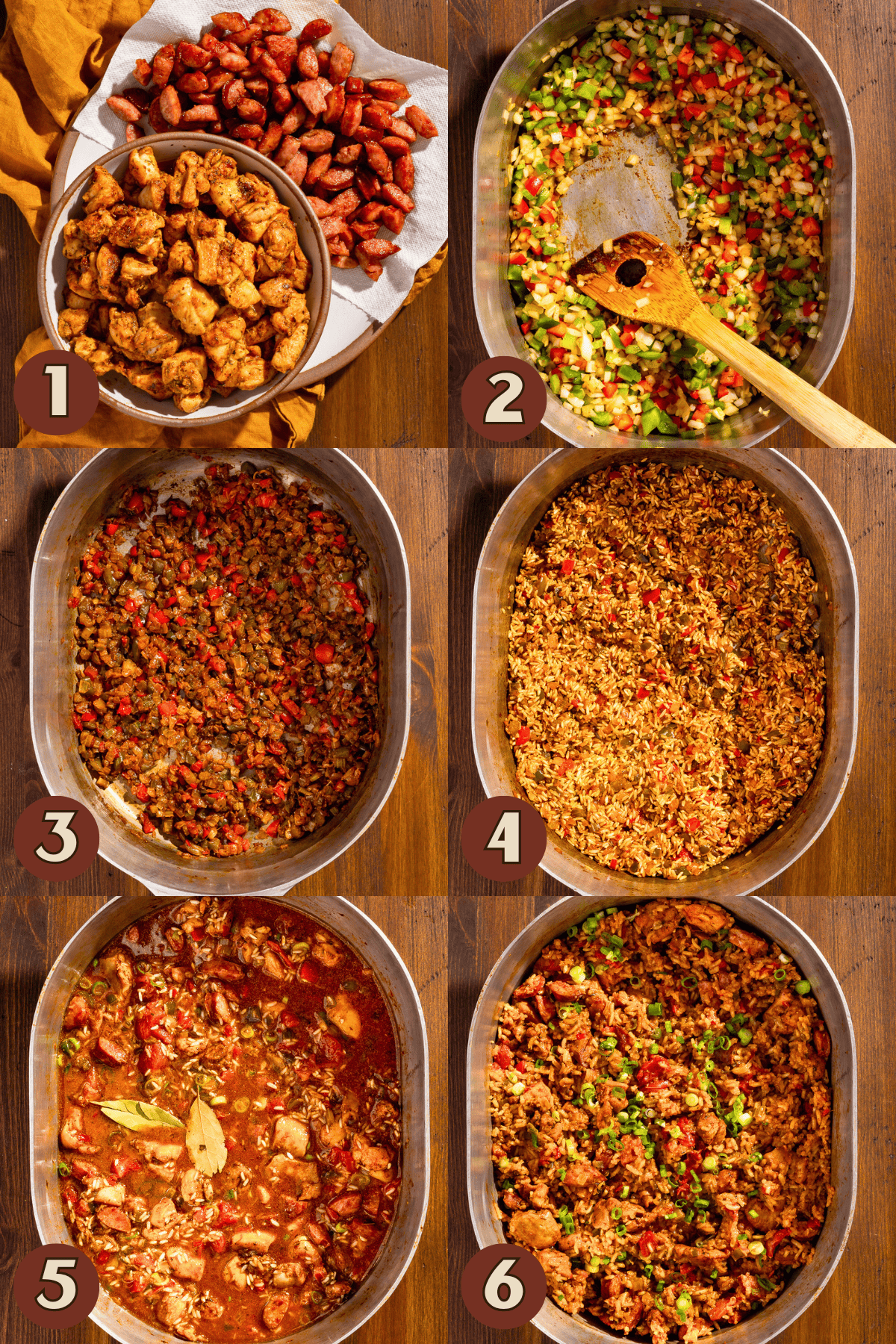
- Sear the meats. Brown the sausage, then seasoned chicken, and set both aside.
- Sauté the trinity. Cook onion, bell pepper, and celery, scraping up the browned bits.
- Caramelize. Continue cooking until deep golden brown, about 30 minutes, then stir in garlic and tomato paste.
- Toast the rice. Add rice and cook a few minutes until lightly toasted.
- Add everything back. Stir in tomatoes, chicken stock, browning sauce, half the green onions, sausage, chicken, and bay leaves. Cover and bake about 1 hour.
- Steam and finish. Remove from oven, stir, cover, and let steam for 10 minutes. Add remaining green onions and serve.
Storage & Make Ahead
- Storage: Cool completely and store in the refrigerator for 4-5 days.
- Freeze: Freeze in an airtight freezer safe container for 3-6 months. Thaw overnight before reheating.
- Reheat: Warm gently on the stovetop over low heat with a splash of chicken stock or water to loosen the rice. You can also reheat in the microwave in short bursts, stirring in between.
- Make ahead: Jambalaya is best served fresh, but you can prep all your ingredients the day before to save some time on cook day.
What to Serve With Jambalaya
Jambalaya is a meal in itself, but the right sides make it a true Louisiana spread. Here are some of my favorite pairings:
- New Orleans BBQ Shrimp – A fun appetizer with whole shrimp cooked in a rich, buttery sauce.
- Cajun Cornbread – Sweet, spicy, and savory, perfect for soaking up all the flavors.
- Smothered Green Beans – A cajun classic with green beans cooked down savory meats.
- Cajun Corn on the Cobb – Perfect for a backyard gathering or crawfish boil style spread.
- Potato Salad – A common dish at big family gatherings, creamy and cooling along spicy jambalaya.
- White Beans – Often served at Louisiana parties, a natural pairing when feeding a crowd.
- Green salad – For a lighter option, serve with a Creole mustard vinaigrette.

Troubleshooting Jambalaya
Even with the best recipe, jambalaya can be a little tricky the first time. Here are the common issues and how to fix them.
- The right pot: Your cookware makes a difference. A heavy cast iron Dutch oven holds heat and steam better, so the rice cooks in less time and with less liquid. A lighter aluminum pot will need more liquid and up to 1 ½ hours in the oven since steam escapes more easily.
- Crunchy rice: Usually means the rice didn’t get enough time or steam. In cast iron, jambalaya is tender after about an hour. In lighter pots, plan for more time and a splash of extra stock. Always let it steam, covered, for 10–15 minutes. If your rice is still crunchy, add ¼ cup more liquid, cover and put it back in the oven for 15–20 more minutes.
- Mushy rice: Too much liquid or the wrong type of rice can cause mushy jambalaya. Stick with long-grain white rice, measure the stock carefully, and resist stirring once the rice goes in.
- Burnt bottom: If the heat is too high or the lid is lifted too often, the rice can stick and burn. Baking in the oven rather than cooking on the stove can help prevent this. Keep the oven low and steady, and avoid opening the lid until the one-hour mark.
More Main Dish Recipes
No posts
No posts
Did you love this recipe? Please leave a comment and let me know!
Chicken and Sausage Jambalaya
Ingredients
- 1 large yellow onion
- 1 green bell pepper
- 1 red bell pepper
- 2 stalks celery
- 6 cloves garlic
- 5 green onions
- 1 pound andouille sausage (or smoked sausage)
- 2 pounds boneless chicken thighs
- 2 teaspoons garlic powder
- 2 teaspoon onion powder
- 2 teaspoons paprika
- 1 teaspoon dried oregano
- 1 teaspoon dried thyme
- 1 teaspoon black pepper
- 1 teaspoon kosher salt
- ½ teaspoon cayenne pepper
- 1 tablespoon butter or bacon grease
- 1 teaspoon tomato paste
- 2 cups long grain white rice (uncooked)
- 1 14.5 ounce can diced tomatoes
- 2–2½ cups chicken stock *see note
- 1 teaspoon Kitchen Bouquet browning sauce
- 2 bay leaves
Instructions
- PREP: Finely chop onion, bell pepper, and celery. Mince garlic. Thinly slice green onions. Cut sausage into ⅓-inch half circles. Cut chicken thighs into bite-size pieces and pat them dry.1 large yellow onion, 1 green bell pepper, 1 red bell pepper, 2 stalks celery, 6 cloves garlic, 5 green onions, 1 pound andouille sausage, 2 pounds boneless chicken thighs
- SEASON: Mix garlic powder, onion powder, paprika, dried oregano, dried thyme, black pepper, kosher salt, and cayenne. Season chicken evenly.2 teaspoons garlic powder, 2 teaspoon onion powder, 2 teaspoons paprika, 1 teaspoon dried oregano, 1 teaspoon dried thyme, 1 teaspoon black pepper, 1 teaspoon kosher salt, ½ teaspoon cayenne pepper
- SEAR: Heat a large oven-safe dutch oven over medium-high heat, and melt butter or bacon grease. Sear sausage until nicely browned, about 8–10 minutes. Remove and set aside. Next sear chicken in 2 batches until browned, about 5 minutes per batch. Remove from pot.1 tablespoon butter or bacon grease
- SAUTÉ: Add onion, bell pepper, and celery to the pot. Cook for about 5 minutes, scraping up the browned bits. The moisture from the vegetables should start to loosen up the fond from the pot.
- CARAMELIZE: Cook, stirring occasionally, for about 30 minutes until the trinity is caramelized and darkened. Turn heat lower as the vegetables caramelize. If it starts to stick, lower heat and add a splash of water. Next, stir in garlic and tomato paste. Cook for 2–3 minutes until the tomato paste darkens.1 teaspoon tomato paste
- PREHEAT: Meanwhile, preheat the oven to 300°F and place rack in the lower third.
- TOAST: Stir in rice and cook for 5 minutes, stirring occasionally, until lightly toasted.2 cups long grain white rice
- SIMMER: Add diced tomatoes, chicken stock, browning sauce, half the green onions, sausage and chicken with juices. Stir well, then add bay leaves. Cover and transfer to the oven. Cook for 1 hour. (**see note about pot type**)1 14.5 ounce can diced tomatoes, 2–2½ cups chicken stock *see note, 1 teaspoon Kitchen Bouquet browning sauce, 2 bay leaves
- STEAM: Remove pot from the oven and stir once to loosen the bottom. Cover and let steam, off heat, on the counter for 10–15 minutes. If the rice seems slightly undercooked, it will finish cooking during this time.
- SERVE: Remove the bay leaves. Stir in remaining green onions. Serve hot with a dash of hot sauce.
Notes
- Substitute andouille for smoked sausage.
- Substitute chicken thighs for chicken breasts if needed, but they’ll be drier.
- Cooking time and liquid vary by pot. In a heavy cast iron Dutch oven, jambalaya takes about 1 hour with 2 cups stock in the oven. In lighter aluminum pots like Magnalite, allow up to 1½ hours and add up to ½ cup more stock if needed. Check the rice after 1 hour; if it’s still crunchy, cover and cook for another 15–20 minutes.
Equipment
- Large oven safe Dutch oven with lid at least a 6 quart. Pictured is an 8 quart Magnalite.
Nutrition
Frequently Asked Questions
Both! Cajun jambalaya (also called brown jambalaya) has no tomatoes and gets its color from caramelized vegetables and seared meat. Creole jambalaya (red jambalaya) includes tomatoes for a tangy flavor and reddish tint. This recipe blends elements of both.
Andouille is the traditional choice: smoky, spicy, and full of flavor. If you can’t find andouille, substitute smoked sausage.
Use long-grain white rice. It stays fluffy and absorbs flavor without turning mushy. Short-grain rice tends to clump, and parboiled rice won’t soak up as much flavor.
It usually means the pot didn’t hold enough steam or the rice needed more time. In cast iron, the rice is tender after about 1 hour in the oven. In lighter pots like Magnalite, you may need up to 1½ hours and a little extra stock. Always let it steam, covered, for 10–15 minutes before serving.
Too much liquid or using the wrong rice can make jambalaya mushy. Stick with long-grain rice, measure your stock carefully, and resist stirring too much once the rice is added.
Yes! Shrimp, crawfish, and crab are common additions, especially in Creole (red) jambalaya. If adding shrimp, stir them in during the last 5–10 minutes so they don’t overcook.
No, don’t rinse the rice. The starches help the grains absorb the flavor and give the right texture for jambalaya.
Meet Lauren
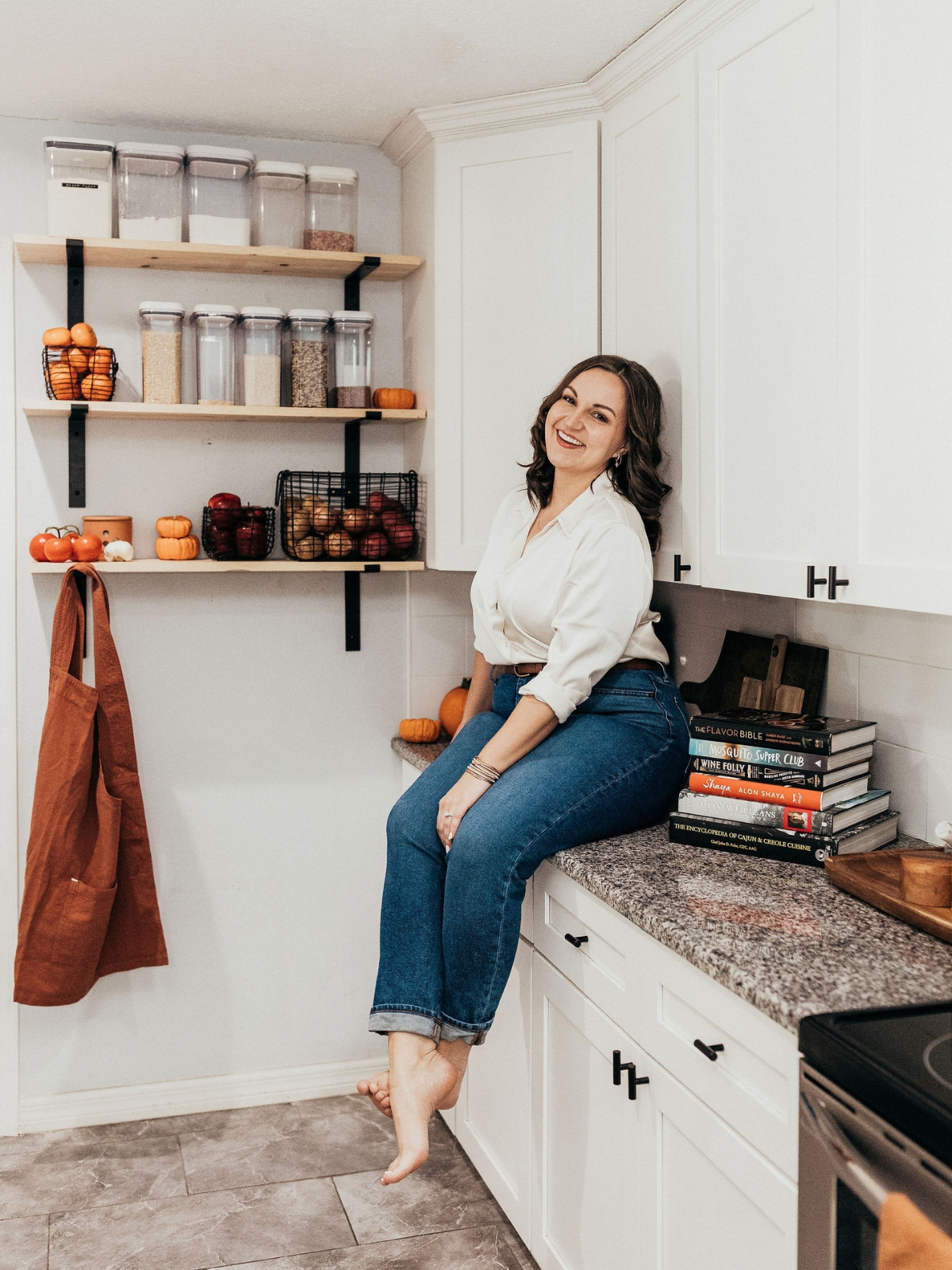
I’m the blogger, recipe developer, food photographer, and otherwise food obsessed gal behind Lauren From Scratch. I was born and raised in New Orleans and lived in South Louisiana most of my life. Growing up around Cajun country has instilled a love of food that runs deep in my bones. I am passionate about food and teaching you how to make mouth-watering Louisiana inspired dishes in your own kitchen — and most recently, on Food Network’s 100 Cooks!
where y’at?
Let’s get social, cher! Come hang out with me and get a little peek into the life of a food blogger.