
How to Make a Roux: From Light to Dark
Learn how to make a roux: from a light roux for creamy béchamel, to medium roux for étouffée, to a dark roux that’s the soul of a good gumbo. This step-by-step guide covers every stage with tips, timing, and insider advice so you can master roux for Cajun and Creole classics like seafood bisque, étouffée, and gumbo.
Once your roux is down, stock up on the rest of the Cajun and Creole pantry staples.

What is Roux
A roux is a mixture of fat and flour cooked together to thicken sauces and build the base for soups and stews. Roux has French origins, but made its way into Cajun and Creole cuisine to become the foundation of dishes like gumbo and étouffée.
At its most basic, roux is made with equal parts flour and fat (like butter, oil, or bacon fat). The mixture is stirred near constantly as it cooks, transforming from a pale white paste to a dark chocolate brown sauce. The longer it cooks, the deeper the flavor becomes, but the less thickening power it has.
Think of roux as the flavor and structure foundation of a dish. White roux makes creamy sauces, medium roux builds a silky étouffée, and dark roux gives gumbo its distinctive flavor.
Types of Roux
Roux changes dramatically depending on how long it’s cooked. Each stage brings its own color, flavor, and purpose in cooking.
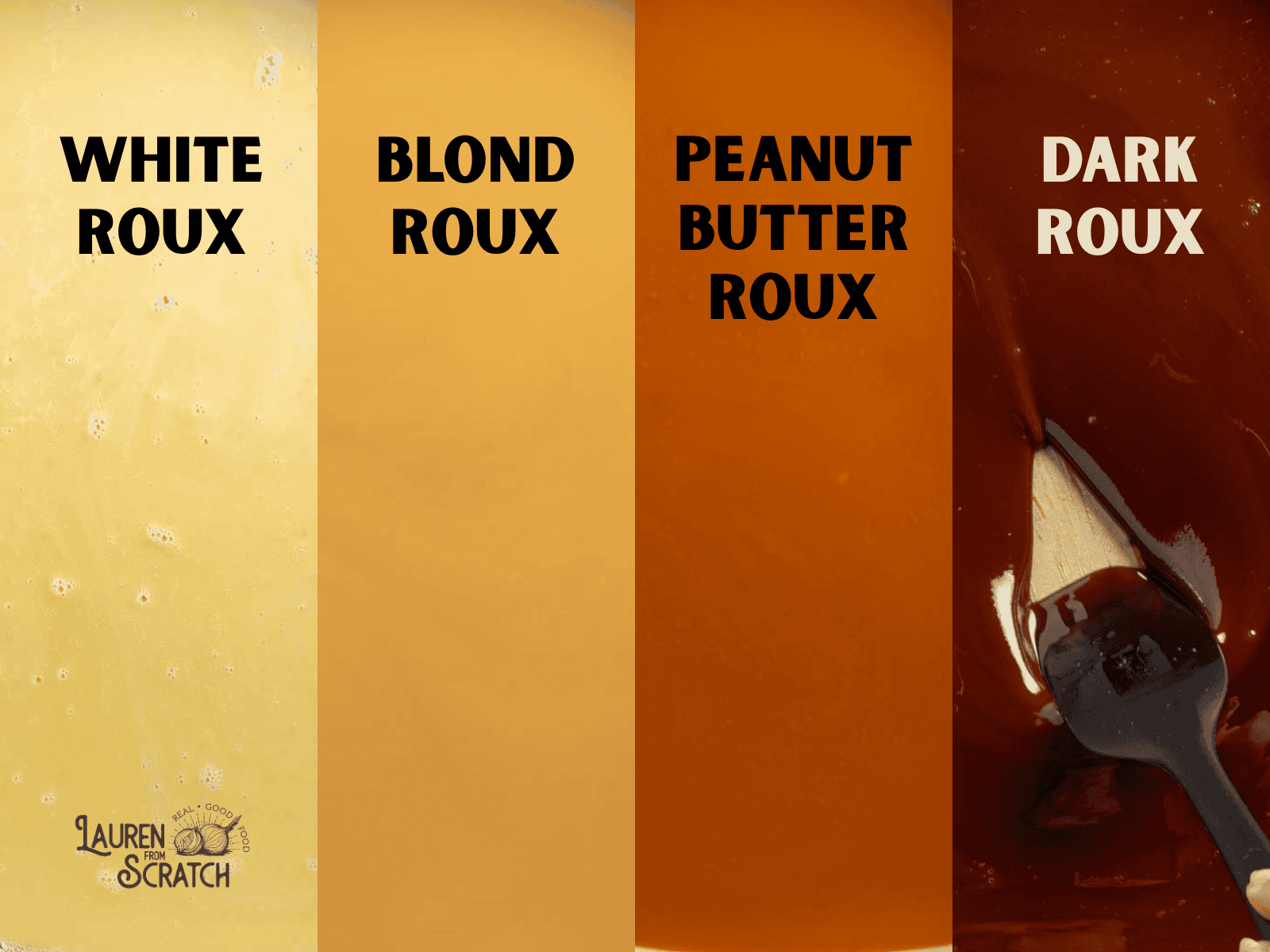
White Roux
- Cook time: 2–5 minutes, just long enough to get out the raw flour taste.
- Color: Pale, almost white.
- Flavor: Mild, neutral.
- Thickening power: Strongest of all roux stages.
- Oil/Fat: Best with butter, since it enhances the flavor of cream sauces and isn’t cooked long enough to burn.
- Used for: Béchamel, cheese sauces (like mac and cheese), cream soups, light gravies.
Blond Roux
- Cook time: 5–10 minutes, until it takes on a golden sandy color.
- Color: light tan or blond.
- Flavor: Slightly nutty with a little more depth.
- Thickening power: Still strong, slightly less than white.
- Oil/Fat: Still best with butter to add richness.
- Used for: Velouté, bisques, poultry gravies, Alfredo sauce. (Try it in Corn and Crab Bisque or Shrimp and Corn Bisque)
Medium (Peanut Butter) Roux
- Cook time: 12–20 minutes, depending on heat level.
- Color: Medium brown, like peanut butter.
- Flavor: Toasty and nutty, more pronounced.
- Thickening power: Moderate.
- Oil/Fat: Can get away with butter for rich dishes like étouffée as long as you monitor the heat. Neutral oil or bacon fat also works.
- Used for: Étouffée, Bisques, Seafood Gumbo, gravies, stews. This color works well with seafood dishes since the flavor doesn’t drown out the delicate flavor of seafood. (Try it in Crawfish Étouffée or Chicken Étouffée)
Dark Roux
- Cook time: 30–60 minutes, depending on heat and pot, with constant stirring. It takes the longest, but a dark roux gumbo is a labor of love.
- Color: Deep chocolate brown.
- Flavor: Bold, deep, roasted.
- Thickening power: Minimal, since starches break down with longer cooking.
- Oil/Fat: Best made with a neutral oil or bacon fat since the milk solids in butter will likely burn once you get to this stage.
- Used for: Gumbos, darker colored stews, and beef gravies. (Try it in Chicken Sauce Piquant, Grits and Grillades, Cajun Chicken Fricassee, or Chicken and Sausage Gumbo)
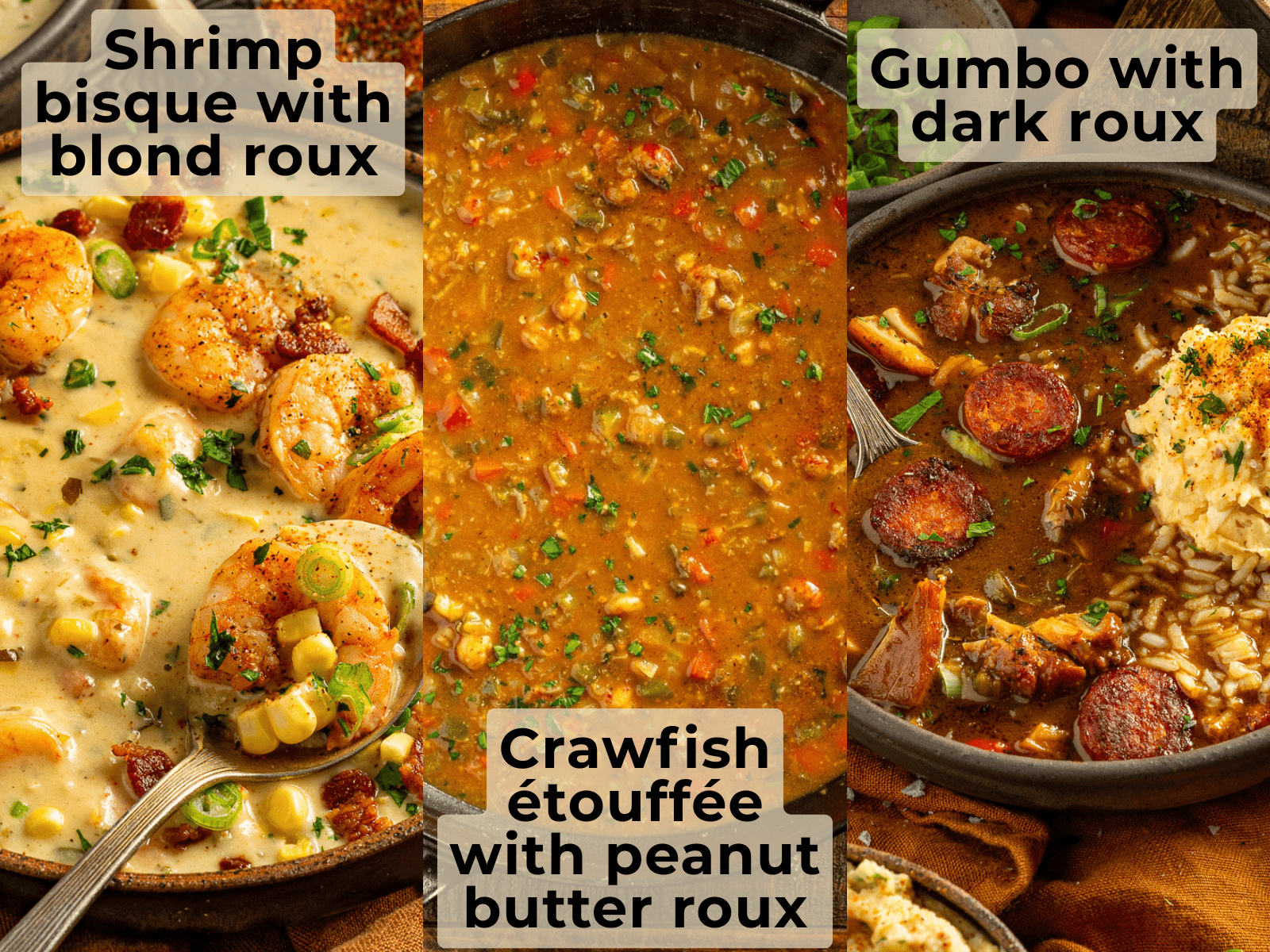
Lauren’s Note: For many dishes, the color of the roux comes down to personal preference. Some people love a dark, almost black, roux for their gumbo, while others like a lighter brown. I find that extremely dark roux can get bitter, so I prefer the dark roux color shown in the photo above, dark brown, but not black. Cajun gumbo can have a lighter roux, while Creole gumbo roux may be lighter, but each family has their own way. My preference is darker roux goes with game and beef, while a lighter roux tastes better with seafood.
How to Make a Roux
A roux starts with equal parts fat and flour, cooked together in a heavy-bottomed skillet or Dutch oven. Stir flour and fat until smooth, then continue stirring constantly as it cooks. It will move from white, to blonde, to medium peanut butter brown, and finally dark brown. Stop at the color stage you’re going for.
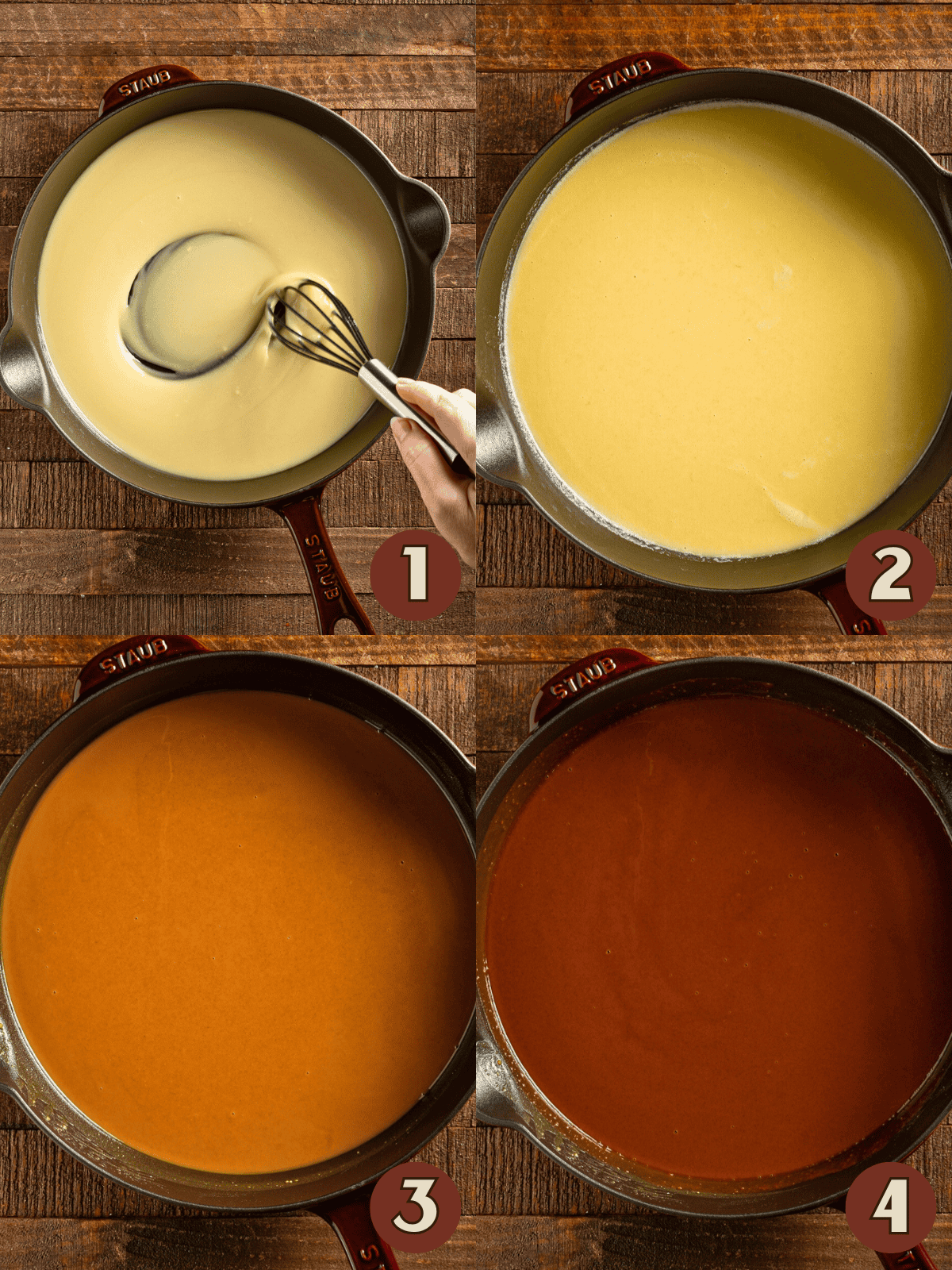
Roux Ingredients
Butter, oil, or bacon fat all work, but use butter for lighter roux and oil for darker roux. Neutral oils are best, like vegetable oil or avocado oil. I don’t recommend making a roux with olive oil. Bacon grease will add a smoked bacon flavor to your dish. All purpose flour works best.
Roux Ratio
Typically roux is made from equal parts fat and flour, but it’s common to use less fat for a lighter dish. I use 1 cup oil to 1¼ cup flour for my gumbo roux.
Recommended Cookware
A cast iron skillet is perfect for a roux of any color, but a necessity for a darker roux. Cast iron holds a steady heat well, perfect for a low and slow dark roux. For a lighter roux, you can use a stainless steel or non-stick skillet if needed. Old school Cajuns swear by their Magnalite pots (an out of production aluminum cookware brand), but I still feel cast iron is the best choice.
Recommended Utensils
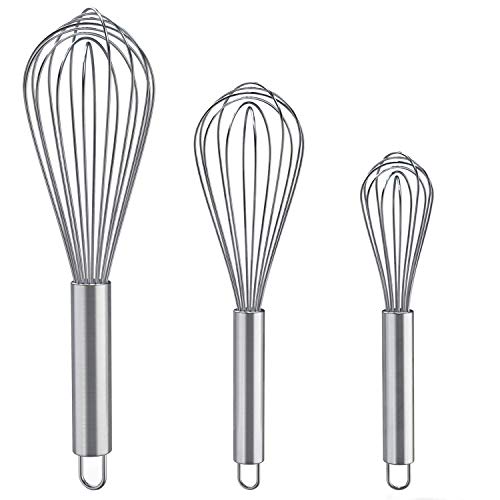
A whisk works for stirring lighter roux, or at the beginning stages of a darker one. For medium and darker roux, a flat bottom spatula is ideal for scraping the bottom and sides of the pan, making sure all the flour particles keep moving so they don’t burn.



Lauren’s Tips for Making Roux
Roux can be tricky, especially the darker you go, but I’ve got some tips for success for you. You’ve got this!
- Use cast iron. It’s the best vessel for keeping a steady heat needed to darken a roux.
- Choose the right fat. Stick with butter for lighter roux, and neutral oil for darker roux.
- Go low and slow. The darker the roux, the closer you are to crossing from a perfect brown roux to the point of no return – aka a burnt roux. Be patient and take your time, especially if you’re new to roux.
- Color over clock. Go by the color and smell of your roux, not just the time you’ve been stirring.
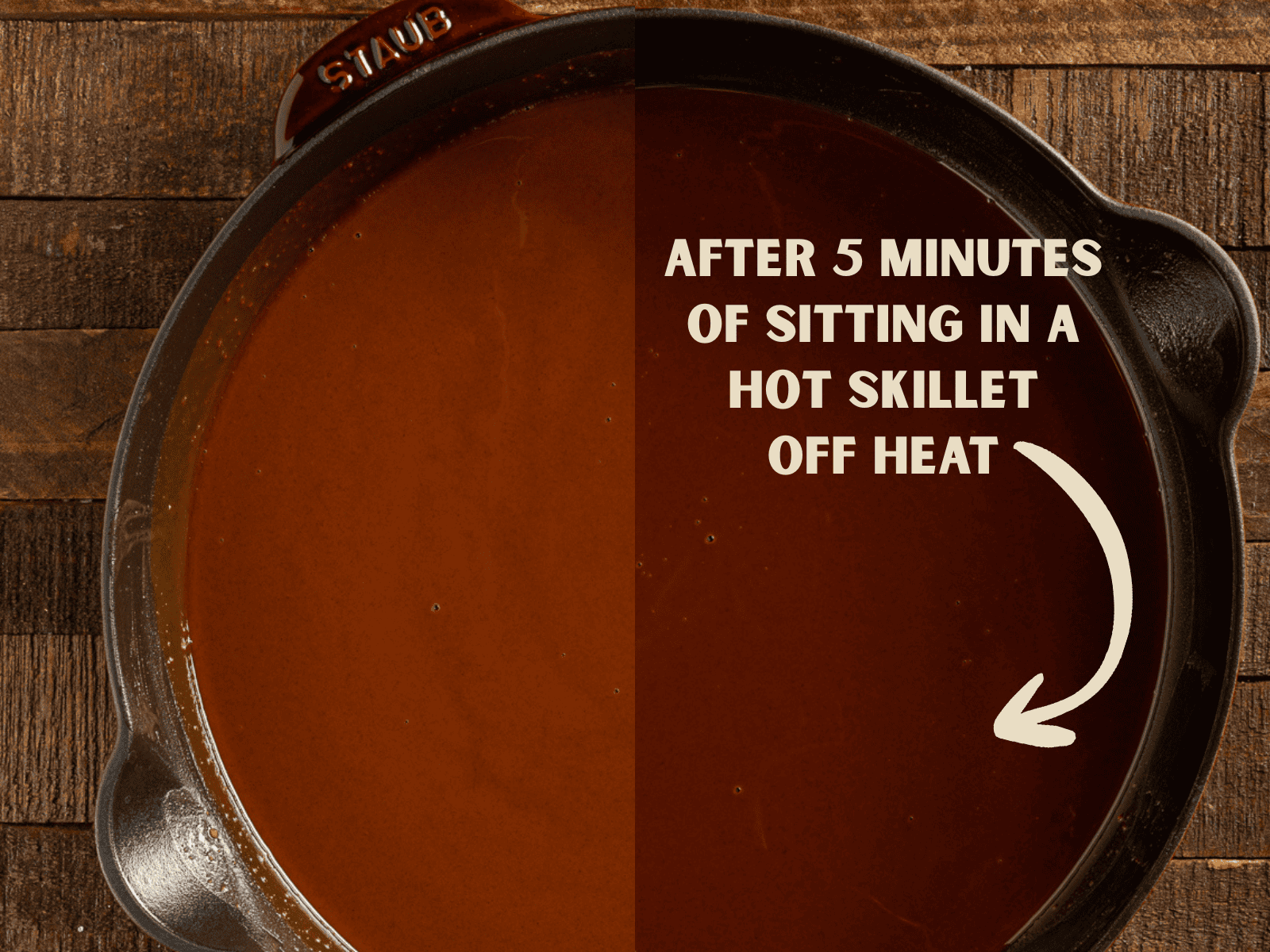
- Remove it. If you’re making a roux ahead of time, remove it from the pan once you get the right color. It will continue to darken if left in a hot pan. (see image below)
Roux Techniques
Stove top is the most common way to make a roux, but there are other options that work well depending on your time and the color stage you’re aiming for.
Stovetop Roux
This is the traditional method, and the one that works for all color stages. Combine fat and flour in a cast iron pot or pan, and cook while stirring constantly until you reach your desired color. It requires the most standing and stirring, but it gives you the most control. There’s a Cajun joke that says your dark roux should be done in the time it takes you to drink a beer (or 2). See How to Make A Dark Gumbo Roux for the complete guide.
Oven Roux
Oven roux might be my favorite way to make a big gumbo roux. The oven method is a hands-off approach, and is great for making larger batches of roux. It takes much longer to make, but requires less babysitting. Combine fat and flour in a cast iron skillet or dutch oven and stir well. Bake until you reach your desired color, stirring every 20-30 minutes. See Oven Roux for a full tutorial and timings.
Microwave Roux
Short on time? This method is high risk, high reward. You can make a dark roux in just about 10 minutes, but it is very easy to burn a roux this way. Mix flour and fat in a large microwave safe container, and microwave until it reaches the desired color. Make sure to check at 1-minute increments as the color darkens, stirring each time. Use oven mitts and be extremely careful not to burn yourself. Roux is basically like hot lava! Check out Microwave Roux for the full method.
Dry Roux
Dry roux skips the fat altogether and is made by dry toasting flour in a skillet or oven until it reaches the desired color. It’s a lower-fat option that lets you control how much oil or butter you want to add to the dish. It still gives a nutty, roasted flavor. It won’t get quite as dark as the other methods, but it is a great alternative for people who want to cut back on fat. To use, whisk the dry roux into warm stock, milk, or a little fat until smooth.
Store Bought
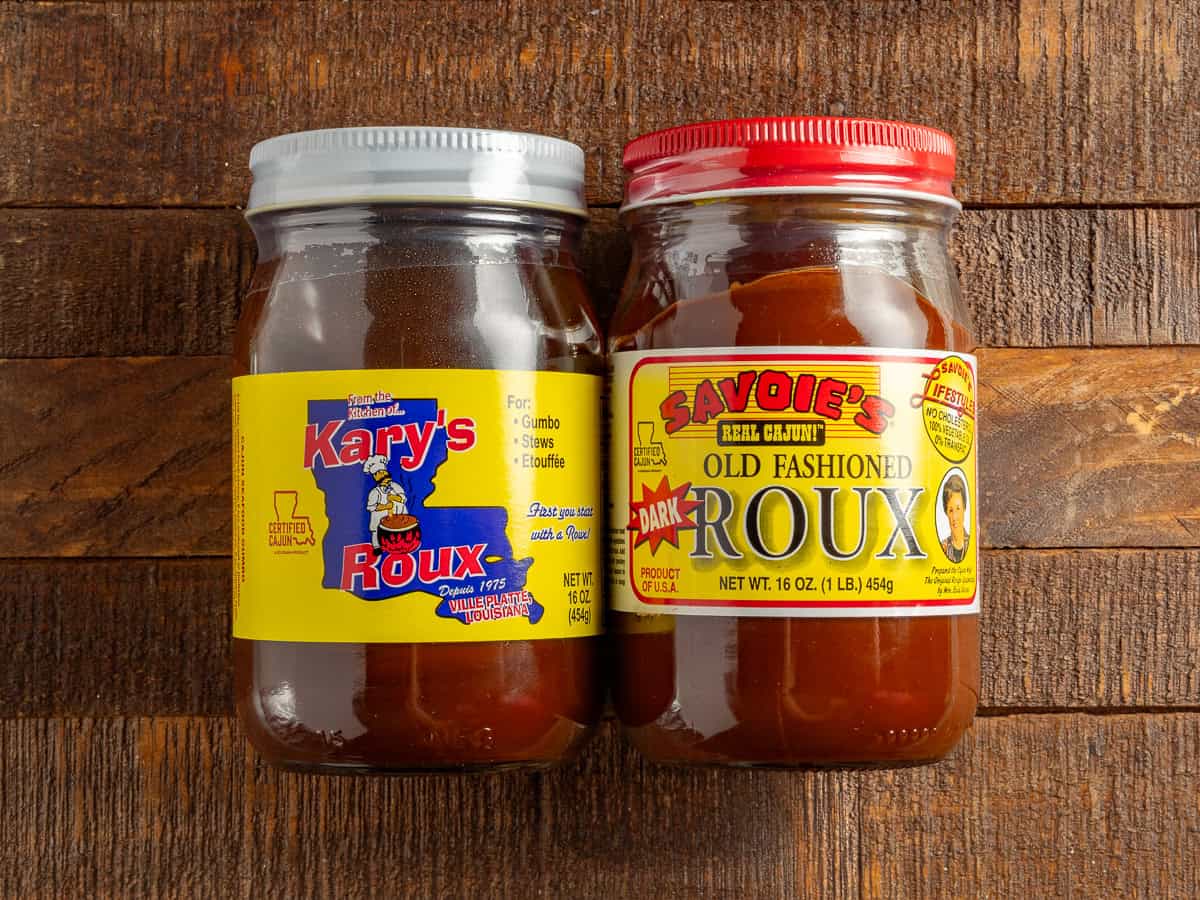
The final option is to buy ready-made roux in a jar! Popular Louisiana brands, like Savoie’s, Richard’s or Kary’s, offer dark roux that’s every bit as good as homemade. A good roux should be the right color and free of any burnt taste, and quality jarred versions deliver exactly that. While making your own is traditional, store-bought can save time without sacrificing flavor or authenticity.
How to Use Roux
Now that you’ve made roux, let’s use it in a dish! Here are some tips to successfully use your roux.
- Warm the liquid first. Always heat up stock, milk, or cream before whisking it into the roux. Adding cold liquid to a hot roux can cause it to seize and break.
- Add gradually. Add a little liquid at a time, whisking to incorporate between each addition, until smooth. Same goes when adding the chopped Cajun trinity to the roux for gumbo. Stir in small amounts at a time so the roux doesn’t “shock”.
- Warm it up. If using a pre-made roux (homemade or store bought), warm it up before adding it to your dish, but be careful not to darken it further.
- Pour off the oil, or don’t. If using a pre-made roux, some oil may separate to the top during storage. You can choose to stir it back in, or discard the oil layer. Removing it won’t change the flavor of the roux.
Troubleshooting Roux
Even seasoned cooks run into problems when making a roux. Here’s how to handle the most common ones.
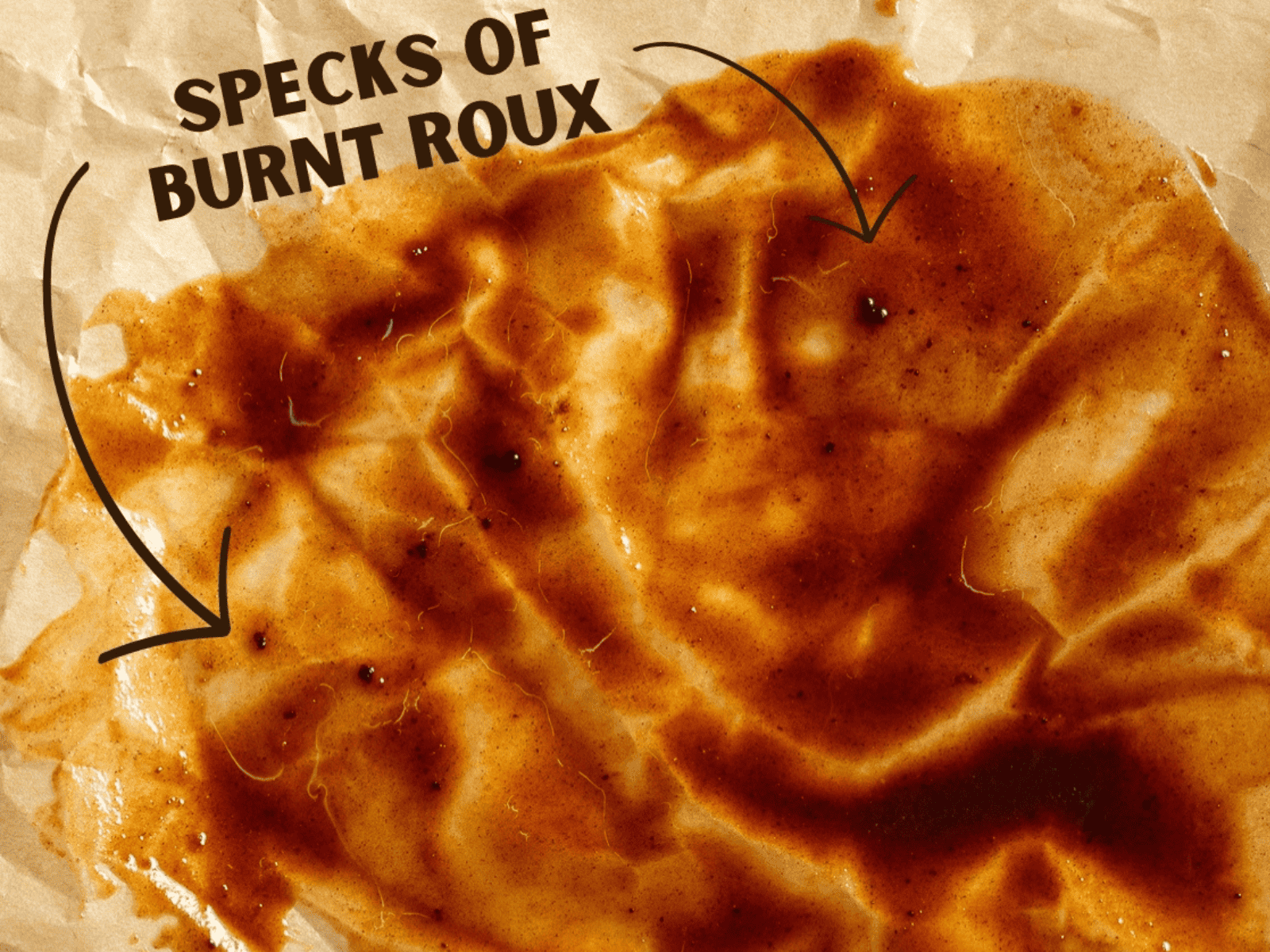
- Burnt roux: If you see black specks, or taste bitterness, toss it out. There is no saving a burnt roux. It happens to the best of us. (See photo below)
- Too thick or thin: This can be adjusted once you add the other ingredients. If it’s too thick, whisk in more warmed liquid. If it’s too thin, simmer longer to reduce.
- Separated roux: Aka broken roux. If the fat pools on top, whisk vigorously to bring it back together.
Storage & Make Ahead
You don’t have to make a roux fresh every time you need it. You can easily make it ahead of time and store it for later. This is especially handy for making big batches of dark roux.
- Room temperature: A freshly made roux can sit out at room temperature for a couple hours if using it later the same day. Just keep it covered. You also may want to remove it from the cast iron pan, or it will continue to cook and might burn, even if it’s off the heat.
- Refrigerator. Cool the roux completely, and store in an airtight jar for 3-4 months in the refrigerator for an oil based roux. Butter based roux will last about a month. Some oil separating to the top is normal. Milky or discolored oil is not.
- Freezer. For long term storage, freeze oil based roux in a freezer safe container for up to 12 months. For smaller amounts to flavor soups, gravies, and stews, freeze in ice cube trays, and transfer the cubes to a freezer bag once frozen.
- Reheating. Warm roux gently in a saucepan or microwave just before adding to your dish. Heat until just liquid, but don’t overcook.
Pro tip: Having ready-made roux on hand is a lifesaver during gumbo season! Make a big batch, then portion it into 1 cup size containers, and you’ll always be halfway to a gumbo.
More Kitchen Basics
No posts
No posts
Did you love this guide to roux making? Please leave a comment and let me know!
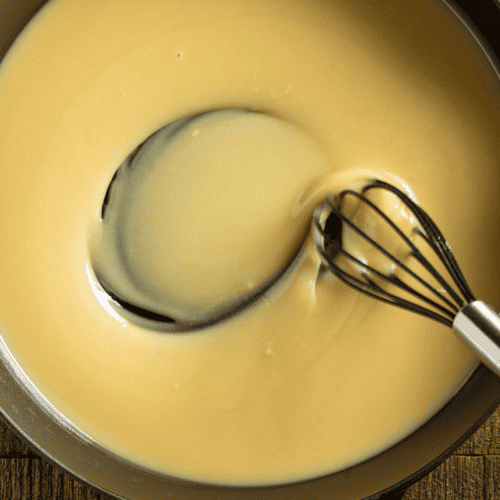
Basic Roux (White, Blond, Medium, and Dark)
Ingredients
- 1 cup all purpose flour
- 1 cup fat (butter, neutral oil, bacon fat)
Instructions
- PREP: Before you start, make sure to read the notes. The fat and amount will depend on what you are making.
- WHISK: In a heavy bottomed skillet or Dutch oven, warm fat over medium heat. Whisk in flour until smooth.
- STIR: Stir constantly with a whisk for lighter roux, or a flat ended wooden spoon or silicone spatula for a darker roux, scraping the edges and bottom of the pan.
- WHITE ROUX: Cook until pale, until the raw flour taste is gone, 2–5 minutes.
- BLOND ROUX: Cook until golden blond color, about 5–10 minutes.
- PEANUT BUTTER ROUX: Cook until a light-medium brown peanut butter color, about 12–20 minutes.
- DARK ROUX: Cook until you reach a dark chocolate brown color, about 30–60 minutes.
- USE: Use immediately in your dish, or let cool before storing. Remove from the pan to cool, or it will continue to darken.
Notes
- 1:1 is a good starting ratio. Use less fat if you want a lighter dish.
- Fat: Use butter for lighter roux for soup, gravy, étouffée, cream sauce, or bisques. Use oil for darker roux for gumbo, stews, or beef gravy.
- 1 cup fat to 1–1¼ cup flour is enough for a batch of gumbo that has 8-10 servings.
- Timing will depend on the heat and cookware. Go by the color more than the time.
- Storage: Cool completely. Butter roux lasts in the fridge about a month, oil roux for about 3–4 months. In the freezer, store oil roux for up to 12 months.
Equipment
- Whisk
Frequently Asked Questions
The classic ratio is 1:1, but you can opt for less oil or butter to lighten the dish. For gumbo, 1 cup flour to ⅔ cup oil, or 1¼ cup flour to 1 cup oil works fine.
Unfortunately, no. Once you see black flecks or smell bitterness, the roux is ruined and will make your dish taste burnt. Toss it out and start over.
If you see black specks, smell, or taste bitterness, the roux is burnt.
Depending on your pot, heat level, and amount, it can take 30 to 60 minutes of constant stirring to reach a true chocolate-brown roux. It’s a labor of love, but necessary for that deeply rich gumbo flavor.
Yes! Roux stores well in the fridge for up to a month (butter-based) or 3–4 months (oil-based). For long-term storage, freeze in portions (ice cube trays work great) for up to 6–12 months.
If you notice the roux looks clotted after adding liquid, it means the roux has separated/broken. Whisk vigorously to bring it back together, or add a splash of warm liquid to help it re-emulsify.
All-purpose flour is standard for both French and Cajun roux. Self-rising flour isn’t recommended because it contains leaveners that can affect flavor and texture.
Cajun roux is typically made with oil or lard and cooked until very dark for gumbo. Creole roux often starts with butter and is used for lighter roux dishes like étouffée.

Meet Lauren
I’m the blogger, recipe developer, food photographer, and otherwise food obsessed gal behind Lauren From Scratch. I was born and raised in New Orleans and lived in South Louisiana most of my life. Growing up around Cajun country has instilled a love of food that runs deep in my bones. I am passionate about food and teaching you how to make mouth-watering Louisiana inspired dishes in your own kitchen — and most recently, on Food Network’s 100 Cooks!
where y’at?
Let’s get social, cher! Come hang out with me and get a little peek into the life of a food blogger.
Very detailed and I love the color chart and recommend cooking time to achieve the color desired. I know about cast iron but it’s always good to let people know they hold enough heat to overcook your perfectly cooked anything, so remove from pan when the cook is done cooking.
Thanks, Eva!
Lauren has provided an in-depth, truthful instructions and directions for the different roux in an easy-to-understand manner. If you haven’t already, save and file this information in your recipe folder(s).
Thanks, Jimmy!